
How Social Skills Groups Help Teens with Autism Build Friendships
Why Practicing with Peers Makes a Difference
Teens often get advice on making friends, like making eye contact, taking turns in conversation, or joining group activities. While these tips can help, real social skills develop through experience, not just instruction.
When teens practice with others, they get to try out new skills in real-life situations. Conversations might not always go smoothly, but that is part of learning. These everyday moments show teens how friendships really form and how to handle uncertainty.
With regular practice alongside peers, social interactions start to feel easier and less stressful. Teens learn what works, gain confidence from experience, and build the skills they need for stronger friendships. Programs like the PEERS Social Skills Group give teens steady chances to practice these skills with support and guidance.
How Confidence Grows Through Repeated Practice
Confidence takes time to build. It grows through small successes. Your teen might start by practicing simple conversations, then gradually feel more comfortable joining group discussions or social activities. Each positive experience makes the next step a little easier.
Practicing over and over makes social situations feel less stressful. As your child learns what works, they recover from mistakes more quickly and face new situations with greater confidence. These steady steps often lead to stronger relationships, better communication, and more independence.
Progress can be slow, but every step counts. With regular practice and support, many teens build the skills and confidence they need for lasting friendships.
We’re here to help
Request Information About the PEERS® Social Skills Group. Help a Teen with Autism Build Friendships
We are happy to answer your questions and help you decide whether this group is a good fit for your teen. Completing this form does not commit you to enrolling.
Please do not include sensitive personal or medical details in this form. Our team will follow up with you directly.
Additional RESOURCES – PEERS Group

How to Help a Teen with Autism Who Struggles to Make Friends
How to Help a Teen with Autism Build Friendships If your teen wants friends but does not seem to know [...]
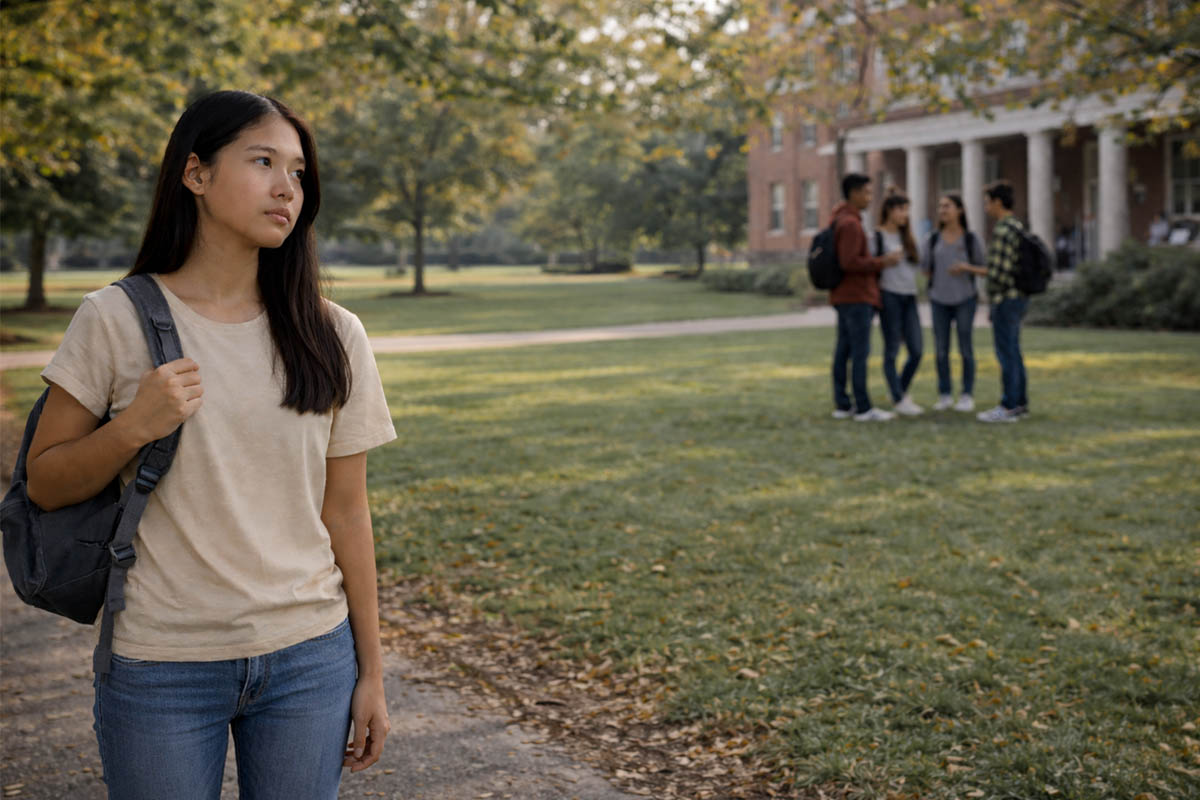
Why Social Skills Can Be Difficult for Teens with Autism
Why Social Skills Can Be Difficult for Teens with Autism Understanding the hidden challenges behind conversations, friendships, and social [...]
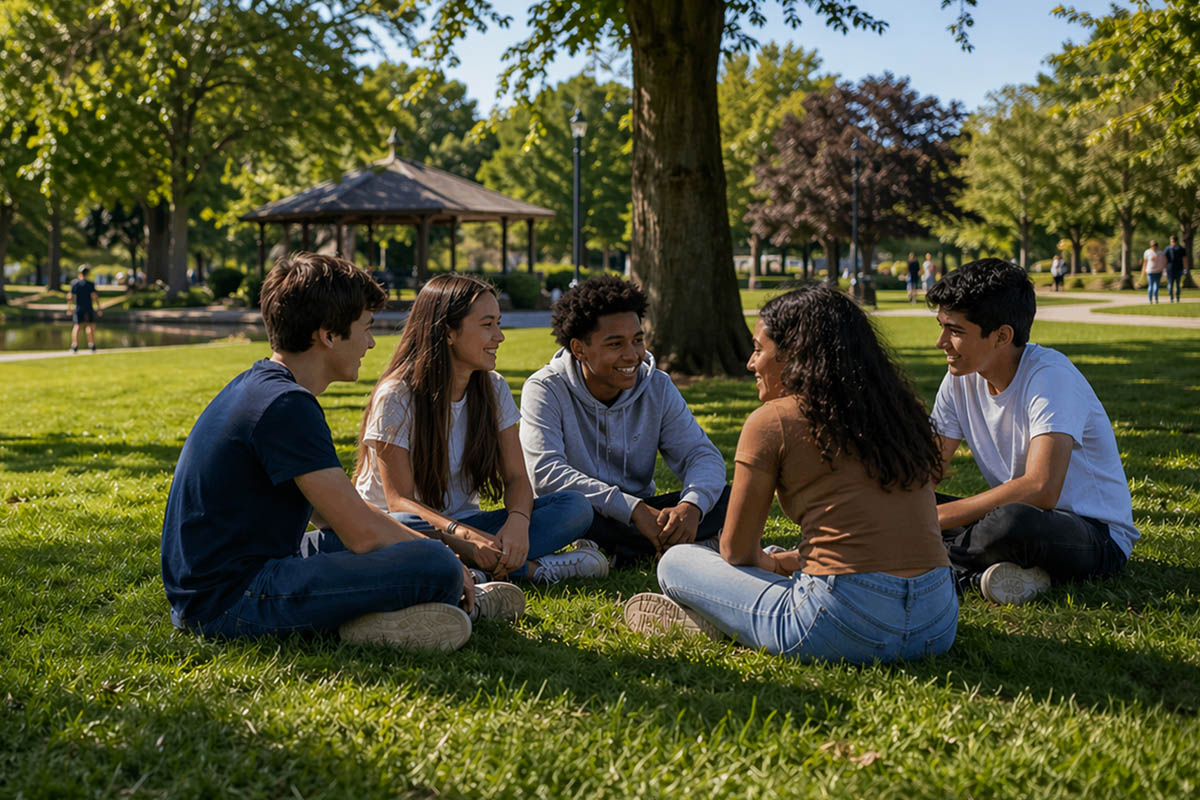
How Social Skills Groups Help Teens with Autism Build Friendships
How Social Skills Groups Help Teens with Autism Build Friendships Social skills groups give teens a safe place to practice [...]