
How to Help a Teen with Autism Build Friendships
If your teen wants friends but does not seem to know how to connect, you may be wondering what to do next.
When Your Teen Wants Friends but Struggles to Connect
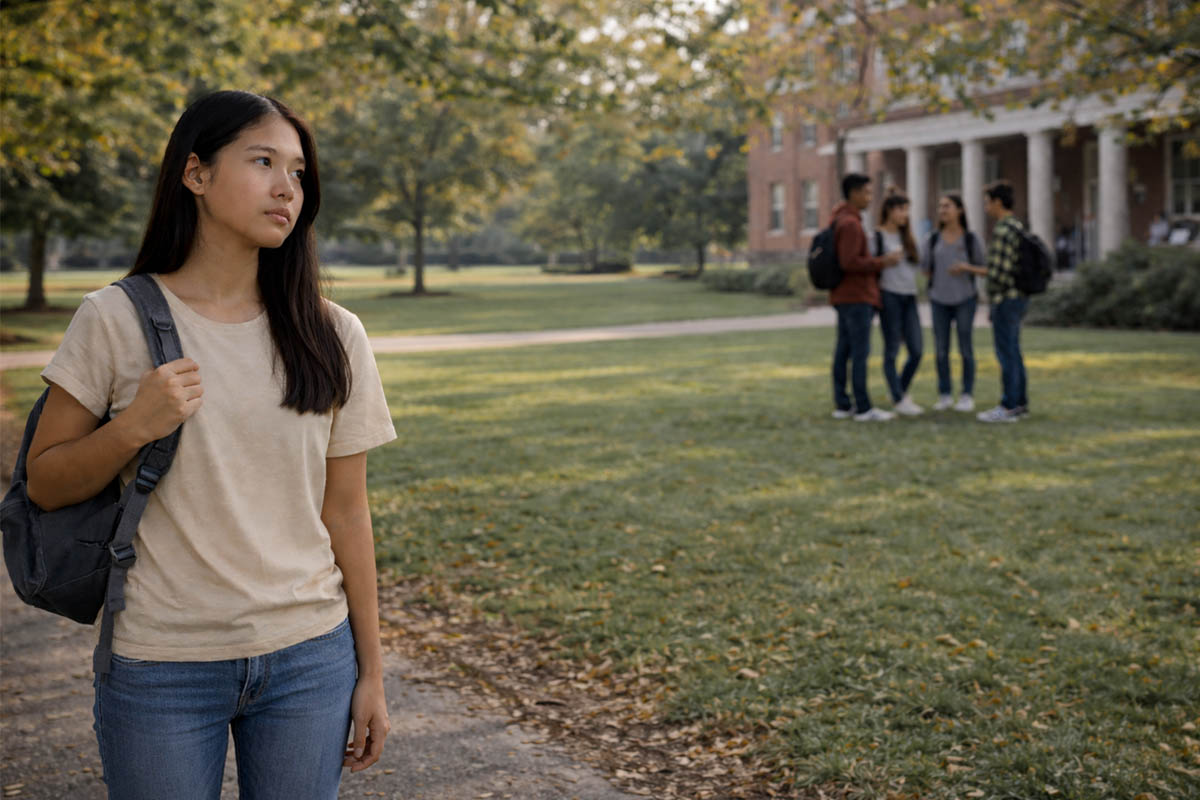
You may have noticed your teen wanting friendships but not knowing how to build them. They might sit quietly in group settings with peers and struggle to join the conversation. At Wyndhurst Counseling we want to show you “How to Help a Teen with Autism Build Friendships”.
At home, you may see signs of frustration, loneliness, or confusion about social situations. Your adolescent may talk to you and ask why friendships seem easier for others, or they may stop trying altogether. For many parents of teens with autism, this can be one of the hardest parts of adolescence to watch. You want to help, but you may not know what the next step should be.
Understanding what is happening socially is the first step toward helping your teen build confidence and connection. Programs like the PEERS Social Skills Program can provide the guidance and practice many teens need to feel more confident in social situations.
Common Social Challenges Teens with Autism May Experience
- Difficulty starting conversations
- Talking about one topic without noticing others losing interest
- Trouble joining group conversations
- Misunderstanding humor
- Feeling anxious in social situations
- Wanting friends but unsure how to form relationships.
Why This Is Happening
Many social rules aren’t spoken out loud. Things like knowing when to join a conversation, how long to talk, or how to read body language are often learned naturally by watching others.
For teens with autism, these patterns might not be as clear. Without clear instructions and practice, social situations can feel confusing or unpredictable.
Understanding this helps parents see that the struggle is not a lack of effort. It is a difference in how social skills are learned.
A Structured Social Skills Group Can Make a Real Difference
Teens with autism often benefit from structured practice of social skills in a supportive setting. Instead of learning by trial and error, they receive clear guidance and consistent practice to help social skills feel more natural over time.
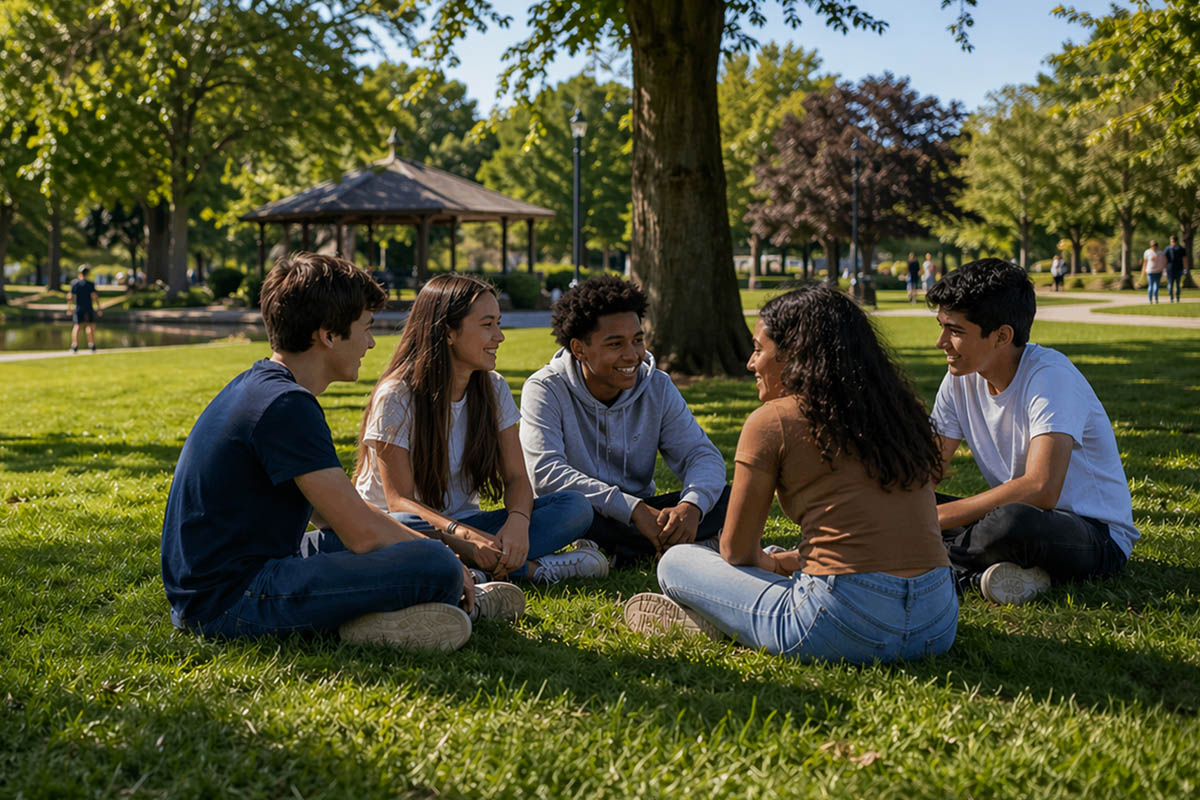
Social skills groups let teens connect with peers facing similar challenges, building confidence and reducing frustration for teens and parents.
At Wyndhurst Counseling and Wellness in Lynchburg, families can learn more about how the PEERS Social Skills Program helps teens build confidence, strengthen communication, and develop meaningful friendships.
We’re here to help
Request Information about the Peers Group for Social Skills. Help a Teen with Autism Build Friendships
We are happy to answer your questions and help you decide whether this group is a good fit for your teen. Completing this form does not commit you to enrolling.
Please do not include sensitive personal or medical details in this form. Our team will follow up with you directly.
Additional RESOURCES – PEERS Group

How to Help a Teen with Autism Who Struggles to Make Friends
How to Help a Teen with Autism Build Friendships If your teen wants friends but does not seem to know [...]
Why Social Skills Can Be Difficult for Teens with Autism
Why Social Skills Can Be Difficult for Teens with Autism Understanding the hidden challenges behind conversations, friendships, and social [...]
How Social Skills Groups Help Teens with Autism Build Friendships
How Social Skills Groups Help Teens with Autism Build Friendships Social skills groups give teens a safe place to practice [...]